
Blossom into Learning: Engaging Spring Nature Study Activities for Homeschoolers with Fun Printables
Spring is a season of profound transformation, a vibrant canvas where nature awakens with renewed energy and countless wonders. For homeschooling families, this period offers an unparalleled opportunity to step out of the traditional classroom and immerse children in the living laboratory of the natural world. Imagine your children’s eyes lighting up as they witness a tiny seed sprout, observe a caterpillar’s incredible metamorphosis, or track the ever-changing patterns of spring weather. These are the moments that truly bring learning to life.
A well-structured homeschool nature study during spring can transform abstract concepts into tangible, memorable experiences. It’s an ideal time for hands-on kids science activities, delving deep into life cycle lessons, and embracing the joy of outdoor learning. To make these adventures even more engaging and educational, integrating spring coloring page and printables can provide structure, reinforce learning, and spark creativity. This comprehensive guide will explore exciting spring nature study activities, focusing on plant growth, animal life cycles, and weather changes, all enhanced by ready-to-use printables designed to make your springtime learning unforgettable. Get ready to explore, discover, and cultivate a deep love for science and nature in your homeschool!

Why Spring is the Perfect Season for Nature Study
Spring, with its gentle warmth and burgeoning life, serves as nature’s grand opening act after winter’s slumber. It’s a dynamic period filled with observable changes, making it an ideal time to kickstart or deepen your homeschool nature study. The sheer volume of new life emerging provides endless opportunities for discovery and scientific inquiry right outside your door.

Observing New Beginnings in the Natural World
Everywhere you look, spring heralds new beginnings. From the first crocuses pushing through the melting snow to the swelling buds on trees, there’s a constant display of growth and renewal. This makes it a prime time for plant growth observations. Children can witness the entire process, from dormant seeds to vibrant blossoms, understanding the fundamental principles of botany in real-time. Similarly, the return of migratory birds and the emergence of insects offer fascinating insights into animal life cycles and behaviors.
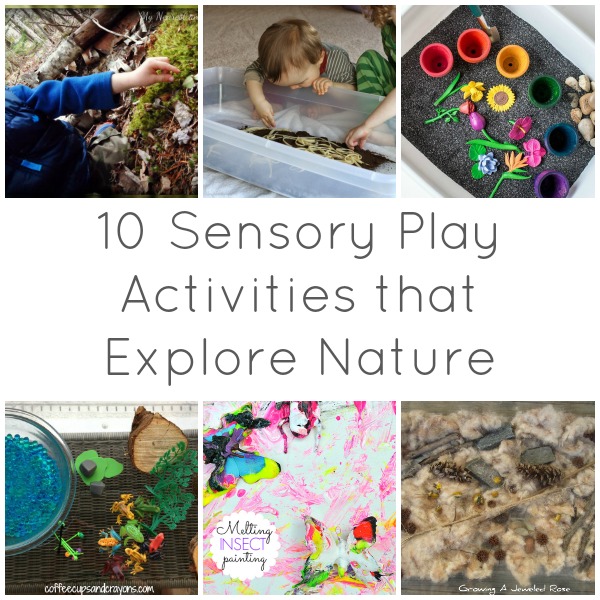
Sensory Exploration in Nature
Spring engages all the senses, providing a rich, multi-sensory learning experience. The fresh scent of damp earth and blooming flowers, the sound of birdsong filling the air, the sight of vibrant green leaves unfurling, and the feel of soft petals or rough tree bark all contribute to a holistic outdoor learning experience. Encouraging children to use all their senses during nature walks helps them develop keen observation skills and a deeper connection to their environment. This sensory engagement is crucial for young learners, making abstract concepts more concrete and memorable.
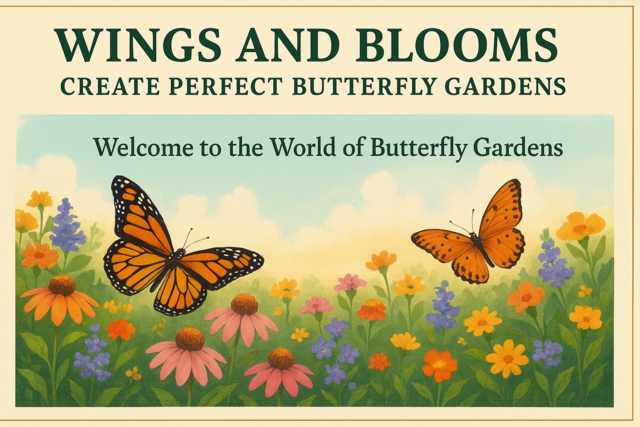
Unveiling Life Cycles: From Seed to Butterfly
One of the most captivating aspects of spring nature study is the opportunity to observe various life cycle lessons in action. Understanding how living things grow, change, and reproduce is a foundational concept in biology, and spring provides a front-row seat to these incredible transformations.

The Marvel of Plant Growth
The journey of a plant from a tiny seed to a mature, fruit-bearing entity is a miracle waiting to be explored. Engage your children in direct observation of plant growth by planting seeds in pots or a garden patch. Documenting the stages of germination, root development, stem growth, and flowering offers invaluable kids science activities.
- Seed Sprouting Experiment: Plant various seeds (beans, peas, sunflowers) in clear cups with soil or wet paper towels. Observe and draw the roots and shoots daily.
- Plant Parts Exploration: Carefully examine different parts of a plant – roots, stem, leaves, flower – and discuss their functions.
- Pollination Observation: Watch bees and other insects visiting flowers, explaining their vital role in plant reproduction.
- Bird Nest Monitoring: Observe a bird’s nest from a safe distance, noting the parents’ activities and, if possible, the hatching and growth of chicks. (Always maintain respectful distance to avoid disturbing the birds.)
- Tadpole to Frog Transformation: If you have access to a safe pond, collect a few tadpoles (with adult supervision and local regulations in mind) and observe their metamorphosis into frogs in an aquarium, then release them back into their natural habitat.
- Butterfly Garden: Raise painted lady butterflies from a kit. This hands-on experience allows children to witness the full life cycle from larva to chrysalis to adult butterfly.
- Ladybug Observation: Observe ladybug larvae and their transformation into adult ladybugs, which are beneficial insects for your garden.
- Sensory Nature Walk: Focus on one sense per walk – what do you hear? What do you smell? What textures can you feel?
- Spring Scavenger Hunt: Create a list of items to find (e.g., a budding leaf, a feather, a smooth stone, a specific type of flower, a worm). This turns a simple walk into an exciting quest.
- Worm Composting: Start a small worm bin to observe decomposition and the role of earthworms in the ecosystem.
- Mini Beast Safari: Use magnifying glasses to explore insects and other small creatures living in the soil, under rocks, or on plants. Draw what you find in a nature journal.
- Bird Feeder Project: Build and maintain a bird feeder, observing the types of birds that visit and their feeding habits.
- DIY Weather Station: Create a simple rain gauge from a plastic bottle and a thermometer to record daily temperature and rainfall.
- Weather Journal: Keep a daily log of the weather, including temperature, precipitation, cloud cover, and wind direction. Discuss patterns and how they affect plant and animal life.
- Cloud Identification: Learn about different cloud types (cumulus, stratus, cirrus) and what they indicate about upcoming weather.
- Wind Direction and Strength: Create a simple windsock or use a compass to determine wind direction. Observe how the wind affects trees and other objects.
- Cut-and-Paste Activities: Worksheets where children cut out stages of a butterfly, frog, or plant life cycle and paste them in the correct order.
- Labeling Diagrams: Diagrams of plant parts, insect anatomy, or weather phenomena for children to label, solidifying their vocabulary and understanding.
- Observation Prompts: Printables can include prompts for journaling, such as “What new plant did I see today?” or “Describe the sound of the wind.”
- Spring Coloring Pages: After a nature walk, children can use spring coloring page and printables featuring local flora and fauna to relax, reflect, and reinforce what they’ve seen. Coloring helps improve fine motor skills and attention to detail, making the learning process enjoyable.
- Specific Checklists: A printable checklist for finding different types of leaves, identifying specific bird calls, or noting signs of animal life.
- Observation Grids: Sheets with sections for drawing observations, noting colors, textures, and locations, turning a simple walk into a scientific expedition.
- Be Flexible and Follow Your Child’s Lead: If your child is captivated by a tiny ant colony, spend time observing it, even if your plan was to study birds. Unscripted discoveries are often the most memorable.
- Integrate Literature: Read nature-themed picture books or non-fiction books about plant growth, animal life cycles, or weather changes to deepen understanding and spark imagination.
- Document Everything: Encourage nature journaling, drawing, photography, or even creating short videos. This documentation helps children process their experiences and build a portfolio of their learning.
- Revisit Locations: Observe how a particular spot changes over the weeks of spring. How do the plants grow? What new animals appear?
- Connect to Art and Creativity: Use natural materials found during your outdoor learning for art projects. Press flowers, make leaf rubbings, or create nature collages.
- Explore more Homeschool Science Experiments
- Our Guide to Nature Journaling for Kids
- Seasonal Learning Resources for Homeschoolers
- National Geographic Kids: Nature & Animals (Opens in new window)
- Cornell Lab of Ornithology: All About Birds (Opens in new window)
- Science Kids: Fun Science & Technology for Kids (Opens in new window)
Children observing a sprouting seed with a magnifying glass, spring nature studyColorful printable showing the life cycle of a butterfly, homeschool learningFamily on a nature walk in a spring forest, outdoor learning activitiesKid drawing clouds in a nature journal, spring weather changes activityTable with spring coloring pages and nature printables for kids science- Facebook/Pinterest: “Spring is blooming with learning! 🌱 Discover engaging homeschool nature study activities, explore life cycles, and enjoy outdoor learning with our FREE spring printables! #HomeschoolNatureStudy #SpringActivities #KidsScience #OutdoorLearning #LifeCycles #FreePrintables”
- Twitter: “Spring has sprung! 🦋 Dive into homeschool nature study with fun life cycle lessons & outdoor learning ideas. Grab your FREE spring coloring page and printables today! #Homeschool #NatureStudy #KidsActivities #SpringLearning”
Consider using life cycle lessons printables that illustrate the stages of a bean plant or a daffodil, allowing children to label parts and sequence the growth.
Tracking Animal Life Cycles
Spring is synonymous with new animal life. From tadpoles in a pond to baby birds in a nest, the season is bustling with evidence of animal life cycles. These observations are perfect for enriching your homeschool nature study.
Engaging with Insect Metamorphosis
Perhaps one of the most astonishing life cycle lessons is insect metamorphosis. The transformation of a caterpillar into a butterfly or a grub into a beetle is a powerful example of nature’s wonders.
Complement these observations with spring coloring page and printables featuring the butterfly or ladybug life cycle, allowing children to color, cut, and paste the stages in order. This reinforces the learning visually and kinetically.
Embracing Outdoor Learning: Adventures Beyond the Classroom
Spring invites us to step outside and make the entire world our classroom. Outdoor learning isn’t just about fun; it’s about fostering curiosity, developing observation skills, and building a physical connection to the environment.
Nature Walks and Scavenger Hunts
Regular nature walks are fundamental to any homeschool nature study. They encourage children to slow down, observe details, and engage with their surroundings.
Our spring coloring page and printables often include engaging scavenger hunt checklists that make these walks even more interactive and purposeful.
Setting Up a Backyard Science Lab
You don’t need fancy equipment to conduct compelling kids science activities in your own backyard. Your garden, a patch of grass, or even a potted plant can become a fantastic outdoor laboratory.
These simple experiments not only teach scientific principles but also instill a sense of stewardship for the environment.
Decoding Spring Weather Changes
Spring is a season of dynamic weather, characterized by a mix of sunshine, rain, and sometimes even late frosts. Studying these weather changes provides excellent opportunities for scientific observation and data collection.
Tracking Temperature and Precipitation
Understanding weather patterns is a key component of kids science activities. Encourage your children to become junior meteorologists.
Printables can be incredibly useful here, offering structured weather charts and observation sheets for easy data recording.
Cloud Gazing and Wind Observations
Even simple activities like looking up at the sky can be highly educational.
Discuss how weather changes influence everything from what clothes we wear to how plants grow and animals behave.
Integrating Fun Printables for Enhanced Learning
While direct observation is paramount, spring coloring page and printables provide invaluable tools for reinforcing learning, organizing observations, and adding a creative dimension to your homeschool nature study. They bridge the gap between hands-on experience and academic understanding.
Life Cycle Worksheets and Diagrams
Printables are perfect for illustrating complex processes like life cycles.
These resources provide a visual and interactive way for children to process the information they gather during their outdoor explorations.
Nature Journaling and Spring Coloring Pages
A nature journal is an essential tool for any nature enthusiast. It encourages careful observation, drawing, and written reflection.
Scavenger Hunt Checklists and Observation Sheets
Structured printables can guide children’s outdoor explorations, ensuring they are purposeful and educational.
These printables transform casual outdoor time into focused outdoor learning opportunities, helping children document their discoveries and develop a scientific mindset.
Making Your Spring Nature Study a Success
A successful homeschool nature study isn’t about rigid adherence to a curriculum; it’s about fostering curiosity, flexibility, and a deep appreciation for the natural world. Here are a few tips to make your spring adventures truly blossom.
Ready to bring these exciting activities to your homeschool? Our collection of free spring nature study printables is designed to support your explorations, making life cycle lessons, kids science activities, and outdoor learning more organized and fun. These resources are perfect companions for your adventures, offering everything from spring coloring page and printables to detailed observation sheets.
Conclusion: Cultivating a Lifelong Love for Nature
Spring offers an unparalleled opportunity for homeschool nature study, transforming the world outside your window into a vibrant, interactive classroom. By engaging in hands-on kids science activities, exploring fascinating life cycle lessons, and embracing the boundless potential of outdoor learning, you can ignite a lifelong passion for discovery in your children. From observing the intricate details of plant growth to tracking diverse animal life cycles and understanding dynamic weather changes, every spring day holds a new adventure.
Remember, the goal is not just to learn facts, but to cultivate a sense of wonder, respect, and connection to the natural world. Our carefully designed spring coloring page and printables are here to support every step of this journey, providing structure, creative outlets, and engaging ways to reinforce learning. So, grab your magnifying glass, pack your nature journal, and step outside. The magic of spring awaits!
Ready to enhance your spring nature study?
Download your free spring nature study printables today and embark on an unforgettable journey of discovery! (Internal Link: Opens in same window)
—
Suggested Internal Links:
Suggested External Links:
Image Alt Text Suggestions:
Social Sharing Optimization:


0 Comments