
Blossom into Learning: Engaging Spring Nature Study Activities for Homeschoolers with Fun Printables
As the world awakens from its winter slumber, spring offers a vibrant, dynamic classroom right outside your door. For homeschooling families, this season is a golden opportunity to dive intohomeschool nature study, exploring the wonders of new life, growth, and change. Imagine your children's delight as they witness a tiny seed sprout, a caterpillar transform, or a bird build its nest. These real-world observations are the foundation of deep, meaningful learning, and with the right tools, like engaging spring coloring page and printables, you can make these experiences even more enriching and memorable.Spring is more than just a season; it's a living textbook filled with life cycle lessons waiting to be discovered. From the delicate unfurling of new leaves to the bustling activity of returning wildlife, every day brings a new lesson in biology, ecology, and meteorology. Integrating outdoor learning into your curriculum not only makes science tangible but also fosters a lifelong love for the natural world. This article will guide you through exciting kids science activities perfect for spring, demonstrating how plant growth, weather changes, and animal life cycles can become captivating subjects for your homeschooling journey, all enhanced by ready-to-use printables. Let's embrace the season and turn every outdoor adventure into an educational exploration!

Why Spring is the Perfect Season for Homeschool Nature Study
Spring bursts forth with an energy that’s hard to ignore, making it an ideal time to kickstart or reinvigorate yourhomeschool nature study. After the quiet dormancy of winter, the natural world undergoes a dramatic transformation, offering a spectacle of renewal and growth. This period of rapid change provides countless observable phenomena that are perfect for young, curious minds.Think about the sheer volume of kids science activities that naturally present themselves. Birds return and begin nesting, flowers emerge from the soil, and insects become active once more. These events aren't just pretty sights; they are prime opportunities for hands-on learning about ecosystems, adaptations, and the interconnectedness of life. Children can witness cause and effect firsthand, observing how sunlight and rain contribute to plant growth, or how different animals prepare for their offspring.
Moreover, the milder temperatures and longer daylight hours of spring invite more time outdoors. This shift encourages physical activity, reduces screen time, and allows for deeper engagement with the environment. A consistent outdoor learning routine during spring can help children develop keen observation skills, patience, and a sense of wonder that extends far beyond the classroom walls. It's a time when nature itself becomes the most engaging teacher, and your role as a homeschooling parent is to facilitate that connection.
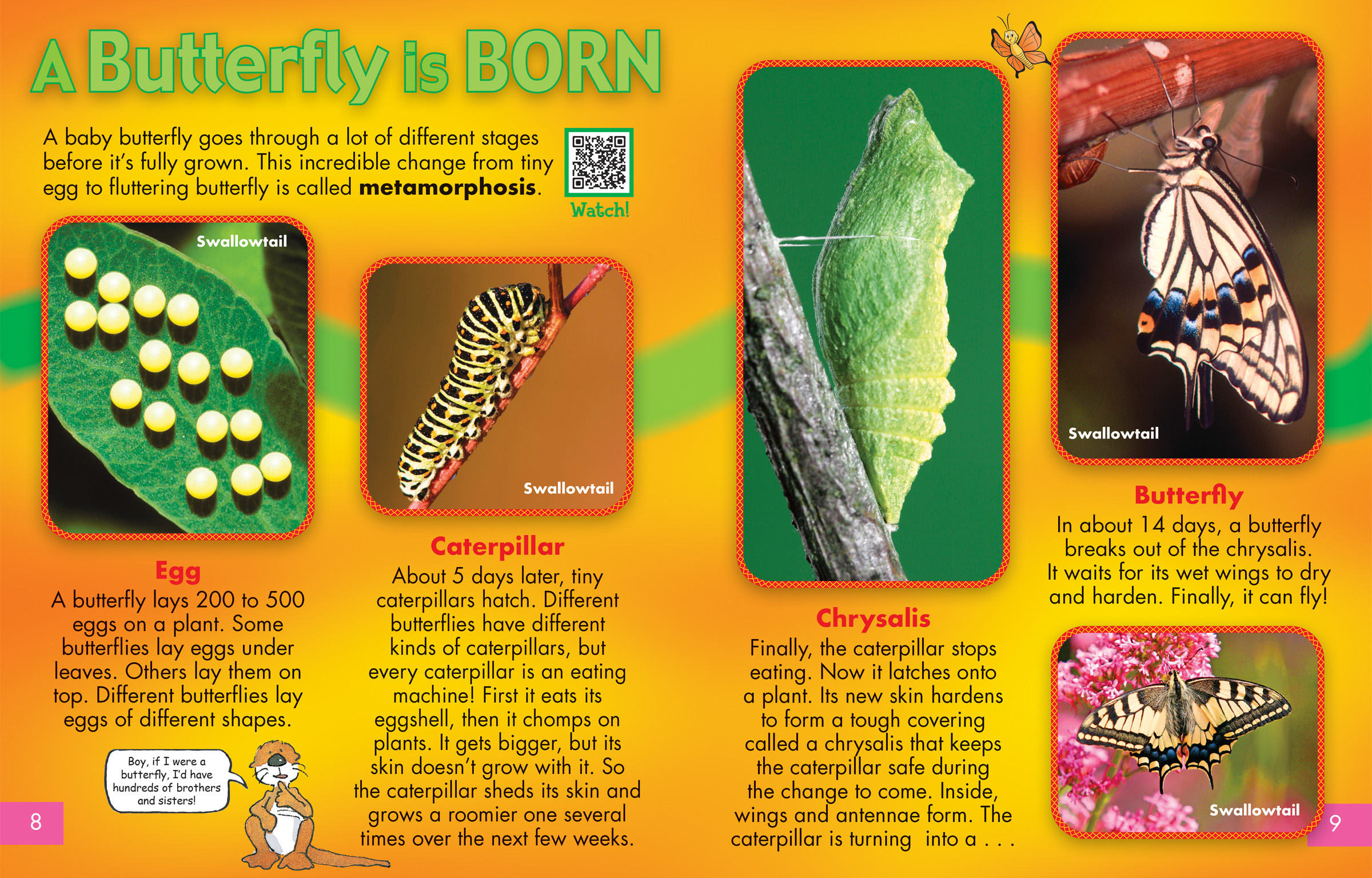
Exploring Life Cycles: From Tiny Seeds to Fluttering Wings
One of the most profound lessons spring offers is the concept oflife cycle lessons. The season showcases the full spectrum of development, from birth to growth to reproduction, in myriad forms. These transformations are incredibly engaging for children and provide a concrete understanding of biological processes.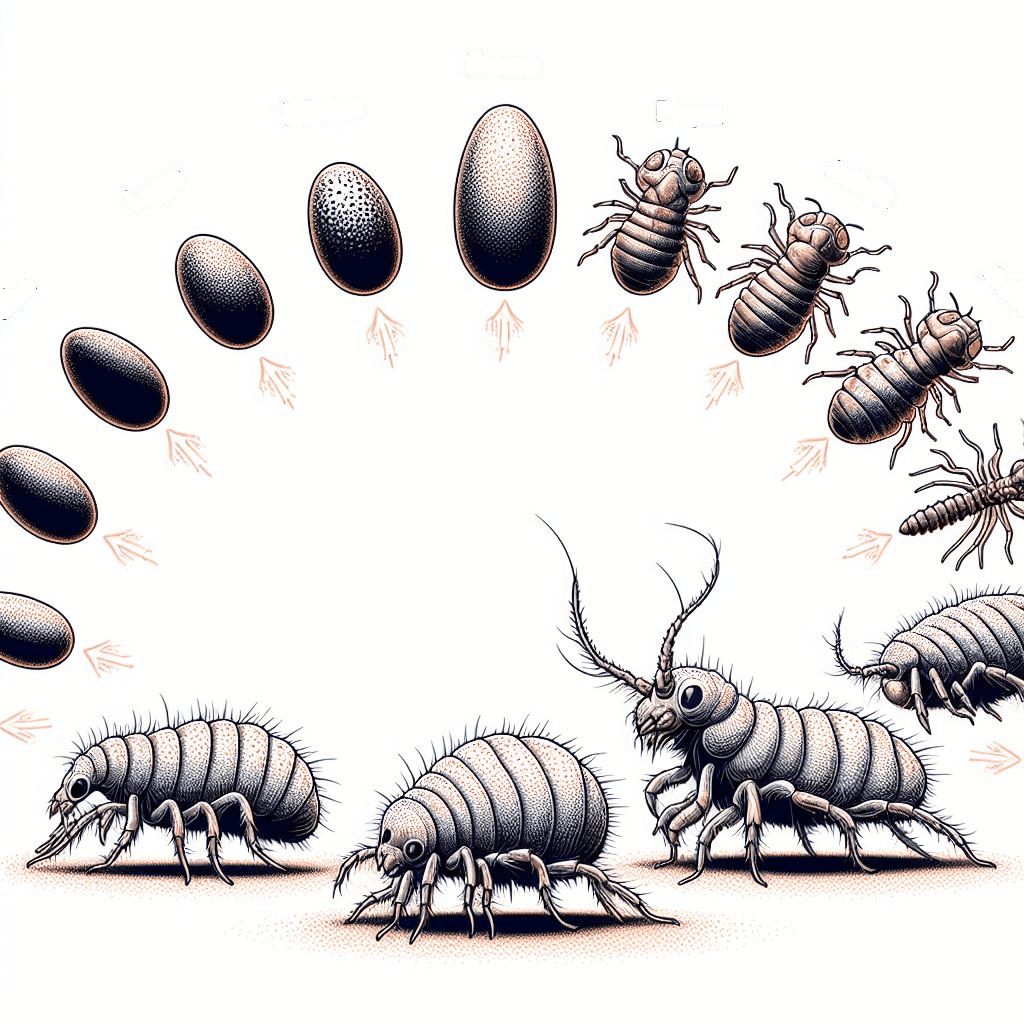
Unraveling Animal Life Cycles
Spring is synonymous with new life, and observinganimal life cycles is a cornerstone of nature study. Two of the most popular and accessible examples are butterflies and frogs.- Butterfly Metamorphosis: Watching a caterpillar transform into a chrysalis and then emerge as a beautiful butterfly is nothing short of magical. You can purchase caterpillar kits online or collect caterpillars from your garden (with careful identification). Children can document each stage using observation journals, drawing what they see, and noting changes. Our butterfly life cycle printables include sequencing cards, labeling activities, and dedicated observation sheets to track their progress. This hands-on experience teaches patience, observation, and the intricate details of insect biology.
- Frog Development: Ponds and puddles come alive with frogspawn in spring. Collecting a small amount of frogspawn (ensure it's legal and ethical in your area, and return them once hatched) allows children to observe the fascinating journey from tiny eggs to tadpoles, then to froglets, and finally to adult frogs. Discuss the changes in their diet, habitat, and appearance. Use our frog life cycle worksheets to label parts of a tadpole and frog, or to sequence the stages of metamorphosis. This activity introduces concepts like aquatic ecosystems and amphibian biology.
- Seed Germination Experiment: Plant various seeds (beans, peas, sunflowers) in clear cups or plastic bags with damp paper towels. Children can witness the roots emerging first, followed by the stem and leaves. This simple experiment vividly illustrates the initial stages of
plant growth. - Flower Dissection: As spring flowers bloom, gently dissect a flower with your children to identify its parts – petals, sepals, stamens, and pistil. Discuss the function of each part in reproduction. Our flower anatomy printables can help label these parts and explain their roles. This activity is a fantastic introduction to botany and plant reproduction.
- Spring Scavenger Hunt: Create a list of items to find, such as "a feather," "a budding leaf," "something yellow," "a smooth stone," or "evidence of an insect." Our spring nature scavenger hunt printables come with colorful illustrations and checkboxes, making it easy for even young children to participate. This activity hones observation skills and encourages exploration.
- Sound Mapping: Find a quiet spot outdoors and have your child sit silently for a few minutes. Afterward, draw a map of the area and mark where different sounds came from (e.g., bird singing, wind rustling, car passing). This activity sharpens auditory perception and awareness of the environment.
- Cloud Spotting and Journaling: Lie on the grass and observe the clouds. Discuss different cloud types (cumulus, stratus, cirrus) and what kind of weather they might bring. Keep a weather observation journal (our printables include templates!) to record daily temperature, precipitation, wind direction, and cloud cover. Over time, children can identify patterns and predict future
weather changes. - Rain Gauge Construction: A simple DIY rain gauge using a plastic bottle can help measure rainfall. This hands-on project connects directly to
kids science activitiesand provides practical data for their weather journal. Discuss how rain contributes toplant growthand refills natural water sources. - Life Cycle Sequencing Cards: After observing a butterfly or frog, children can use printable sequencing cards to arrange the stages of the life cycle in the correct order. This helps build logical thinking and recall.
- Labeling Worksheets: Our animal life cycles labeling worksheets allow children to identify and name the different parts of a plant or animal at various stages of its development. This reinforces vocabulary and scientific terminology.
- Nature-Themed Coloring Pages: Provide coloring pages featuring spring flowers, baby animals, or spring landscapes. As children color, discuss the colors they see in nature and encourage them to replicate them. This is a relaxing activity that also subtly reinforces visual memory from their
outdoor learningsessions. - Cut-and-Paste Activities: Many of our printables include cut-and-paste elements, such as assembling a plant diagram or matching animal babies to their parents. These activities improve scissor skills and hand-eye coordination.
- Nature Observation Sheets: Use dedicated sheets to draw and describe a specific plant or animal. Include prompts like "Where did you find it?", "What color is it?", "How does it feel?", and "What changes did you notice?"
- Weather Tracking Charts: As mentioned earlier, printable charts make it easy to consistently record
weather changes, helping children track patterns over time. - Establish a "Nature Spot": Designate a specific tree, bush, or patch of garden that your children can observe regularly throughout the spring. What changes do they notice day by day, week by week? This promotes long-term observation and understanding of
plant growthandweather changes. - Encourage Journaling: Provide blank notebooks or use our printable nature journal templates for children to draw, write, and record their observations. This isn't just about documenting; it's about processing their experiences and developing scientific literacy.
- Use Field Guides: Introduce age-appropriate field guides for birds, insects, or plants. Learning to identify species adds another layer of engagement to
outdoor learningand transforms a simple walk into a detective mission. - Read Nature-Themed Books: Complement your outdoor explorations with books about
animal life cycles,plant growth, or famous naturalists. Reading together can spark further questions and provide context for their observations. - Embrace Imperfection: Nature study isn't about rigid lesson plans. It's about following your child's curiosity. If they're fascinated by ants on a particular day, spend time observing ants! The learning happens organically.
Image 1: A child observing a butterfly on a flower, with a nature journal open beside them. Alt text: Child observing butterfly during homeschool nature study with spring coloring page and printables.Image 2: Close-up of a caterpillar on a leaf. Alt text: Caterpillar for animal life cycles lesson, ready for outdoor learning.Image 3: Children planting seeds in small pots, showing plant growth experiment. Alt text: Kids science activities demonstrating plant growth in spring.Image 4: A family on a nature walk, pointing at a bird's nest. Alt text: Homeschool family enjoying outdoor learning and observing animal life cycles.Image 5: A collection of spring-themed coloring pages and worksheets spread on a table. Alt text: Spring coloring page and printables for homeschool nature study activities.- Title: Blossom into Learning: Engaging Spring Nature Study Activities for Homeschoolers + FREE Printables!
- Description: Discover exciting spring nature study activities for your homeschool! Explore life cycles, plant growth, and weather changes with fun outdoor learning ideas and free spring coloring pages & printables. Perfect for kids science activities!
- Hashtags: #HomeschoolNatureStudy #SpringLearning #KidsScienceActivities #OutdoorLearning #LifeCycleLessons #FreePrintables #HomeschoolLife #NatureStudy #SpringActivities
The Miracle of Plant Growth
Beyond animals,plant growth offers another incredible series of life cycle lessons. From a tiny seed, a mighty plant can emerge, providing food, shelter, and beauty.Key Takeaway: Documenting these life cycle lessons with drawings, notes, and photos reinforces learning and provides a tangible record of your homeschool nature study adventures.

Hands-On Outdoor Learning Adventures for Kids
Getting outside is paramount forhomeschool nature study, especially during spring. Outdoor learning offers sensory experiences and opportunities for discovery that simply can't be replicated indoors. These kids science activities are not only educational but also incredibly fun and foster a deep connection with nature.Nature Walks and Scavenger Hunts
Regular nature walks are a cornerstone ofoutdoor learning. Encourage children to use all their senses: listening for bird calls, smelling blooming flowers, feeling different textures of bark and leaves, and observing the myriad colors of spring.Observing Weather Changes
Spring weather is famously unpredictable, making it an excellent time to studyweather changes. From sunny mornings to sudden rain showers, the dynamic shifts offer perfect opportunities for meteorology lessons.Internal Link Suggestion: For more detailed instructions on creating a nature journal, check out Our Ultimate Guide to Nature Journaling for Homeschoolers.
Bringing Learning Indoors with Spring Coloring Pages and Printables
Whileoutdoor learning is essential, spring coloring page and printables offer a fantastic way to reinforce concepts, consolidate knowledge, and extend the learning indoors. They provide structured activities that complement your outdoor explorations and cater to different learning styles.Reinforcing Life Cycle Lessons
Printables are invaluable for solidifying understanding of complex processes like life cycles.Creative Expression and Fine Motor Skills
Spring coloring page and printables aren't just for science; they also nurture creativity and develop fine motor skills.Observation and Documentation Tools
Printables serve as excellent tools for documenting observations made during yourhomeschool nature study.Ready to enhance your spring nature study?
Download your FREE Spring Nature Study Printables here!
Making the Most of Spring: Tips for Homeschooling Families
To truly optimize yourhomeschool nature study during spring, consider these practical tips designed to foster curiosity and deepen learning.External Link Suggestion: For more ideas on identifying local flora and fauna, visit National Geographic Kids or Audubon Society.
Conclusion: Cultivating a Lifelong Love for Learning
Spring is a magnificent gift for homeschooling families, offering an unparalleled opportunity to engage in vibranthomeschool nature study. By embracing outdoor learning and leveraging the power of spring coloring page and printables, you can transform everyday observations into profound life cycle lessons and exciting kids science activities. Witnessing plant growth, understanding weather changes, and marveling at animal life cycles firsthand ignites a passion for discovery that classroom lectures simply cannot match.Remember, the goal isn't just to teach facts, but to cultivate a sense of wonder, critical thinking, and a deep appreciation for the natural world. These hands-on experiences, supported by thoughtfully designed printables, create lasting memories and build a strong foundation for scientific understanding. So, grab your jackets, put on your boots, and step outside! The spring classroom is calling, full of endless possibilities for learning and growth.
Don't miss out on making this spring your most educational and enjoyable yet!
Click Here to Download Your FREE Spring Nature Study Printables!
These free resources are designed to complement your outdoor adventures, making your homeschool nature study even more engaging and effective. Happy exploring!
---
Image Alt Text Suggestions:
Social Sharing Optimization:


0 Comments