
Nurturing Emotional Intelligence: Teaching Kids to Recognize and Express Feelings Through Coloring
As parents and educators, we all want our children to thrive, not just academically, but emotionally. Imagine a child who can calmly articulate their frustrations, understand why a friend might be sad, or bounce back from a minor setback with resilience. This isn’t just wishful thinking; it’s the power of emotional intelligence in action. In today’s fast-paced world, equipping our young ones with the tools to understand and manage their emotions is more crucial than ever. Many children, especially those in their early years, struggle to pinpoint exactly what they’re feeling, leading to outbursts, withdrawal, or confusion.
The good news is that fostering emotional awareness doesn’t have to be a complex undertaking. Sometimes, the simplest activities hold the most profound benefits. Enter the wonderful world of feelings coloring page and printables – a delightful, accessible, and incredibly effective way to help children recognize and express feelings. This article will explore how coloring, often seen as a mere pastime, can become a powerful calm learning activity for developing robust emotional intelligence and integrating mindfulness for kids. We’ll delve into practical strategies for using coloring to build emotional vocabulary, cultivate empathy, and create a solid foundation for lifelong emotional well-being. Get ready to transform simple crayons into tools for profound emotional growth!

Why Emotional Intelligence Matters for Young Children
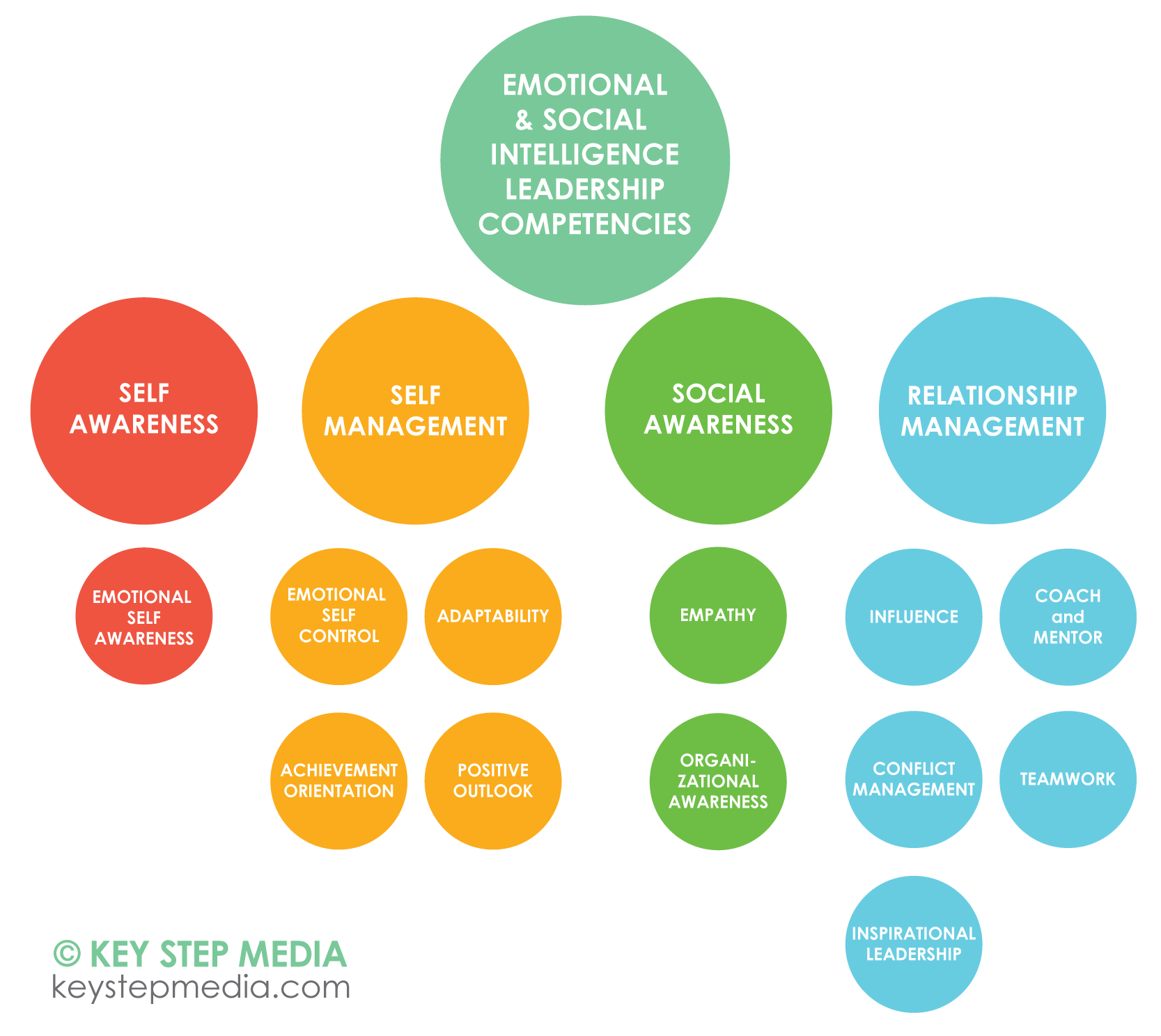
Emotional intelligence (EI) is the ability to understand, use, and manage your own emotions in positive ways to relieve stress, communicate effectively, empathize with others, overcome challenges, and defuse conflict. For young children, developing this skill early on is a game-changer. It’s not just about being “nice”; it’s about building a robust internal compass that guides them through life’s ups and downs. Children with higher emotional intelligence tend to have stronger friendships, perform better in school, and exhibit greater resilience when faced with difficulties.
Integrating emotional learning into a child’s routine, especially within a homeschool SEL curriculum or early childhood education, lays the groundwork for future success. It teaches them that all feelings are valid, providing a safe space to explore the spectrum of human emotion. This foundational emotional awareness helps prevent common childhood struggles like anxiety, aggression, and social isolation, fostering a sense of self-worth and connection with others. To delve deeper into the foundational benefits, consider exploring the profound impact of Social-Emotional Learning (SEL).
The Building Blocks of Emotional Awareness
At its core, emotional awareness for young children starts with simple recognition. Can they tell the difference between feeling happy and feeling sad? Can they identify anger in themselves or others? These might seem like basic concepts, but for a developing mind, differentiating between a sudden burst of frustration and a lingering feeling of disappointment requires guidance. By understanding these building blocks, children can begin to label their experiences, which is the first step towards managing them. This empowers them to say, “I feel frustrated because my tower fell,” rather than simply crying or lashing out.

The Power of Coloring in Emotional Development
Coloring is far more than just a fun activity; it’s a therapeutic and educational tool with immense potential for emotional growth. For children, the act of choosing colors, staying within lines (or intentionally going outside them!), and focusing on a visual task naturally encourages mindfulness for kids. It provides a quiet, introspective space where thoughts and feelings can surface without pressure. This makes it an ideal calm learning activity to introduce complex emotional concepts.
When children engage with feelings coloring page and printables, they aren’t just filling in shapes; they’re connecting with visual representations of emotions. A child might choose bright yellows and oranges for joy, or deep blues and grays for sadness. This non-verbal expression allows them to process feelings that they might not yet have the words for. It’s a gentle, low-stakes way to explore the internal landscape, fostering a sense of emotional safety and understanding. Research consistently highlights the calming and cognitive benefits of creative activities like coloring, as detailed in many psychological studies on art therapy and child development. For example, you can find various insights into the therapeutic benefits of art for children on reputable sources like Psychology Today.

A Creative Outlet for Complex Feelings
Children often experience emotions intensely but lack the vocabulary or the cognitive maturity to articulate them verbally. Coloring offers a powerful alternative. A child who feels overwhelmed might press harder with their crayon, choosing darker shades, or even scribble furiously. A child feeling peaceful might opt for soft pastels and gentle strokes. These actions, while seemingly simple, are profound expressions of their inner state.
By observing how a child colors a specific “sad” or “angry” face, parents and educators gain invaluable insights. This visual communication opens a door for conversation, allowing adults to gently ask, “I see you used a lot of dark blue on this sad face. Does that color feel like sadness to you today?” This approach validates their experience and encourages them to express feelings in a way that feels comfortable and natural, building confidence in their emotional literacy.
Practical Strategies: Using Feelings Coloring Pages Effectively
To maximize the impact of feelings coloring page and printables, a thoughtful approach is key. It’s not just about handing over a sheet and crayons; it’s about creating an experience that encourages reflection and dialogue. Here are some practical strategies for parents and educators to effectively use these tools:
Setting the Stage for Emotional Exploration
* Create a Calm Environment: Choose a quiet time and a comfortable space where your child can focus without distractions. Soft lighting and calming music can enhance the calm learning activity.
- Introduce the Concept: Explain that the coloring pages are special because they help us think about our feelings. You might say, “Today, we’re going to color some pictures that show different feelings. What feelings do you see?”
- Offer Choices: Provide a selection of feelings coloring page and printables depicting various emotions (happy, sad, angry, surprised, scared, confused). Let your child choose the one that resonates with them, or even one they want to explore.
- Provide a Full Spectrum of Colors: Ensure a wide array of colors is available. Children intuitively associate certain colors with emotions, and having choices empowers their expression.
- Start with Observation: “I notice you’re using a lot of red on that angry face. What does red feel like to you?”
- Connect to Personal Experience: “Have you ever felt like this face looks? What happened?”
- Explore Nuances: “What’s the difference between feeling a little bit sad and very, very sad?”
- Validate Feelings: “It’s okay to feel angry sometimes. Everyone feels angry. What do you think this face needs to feel better?”
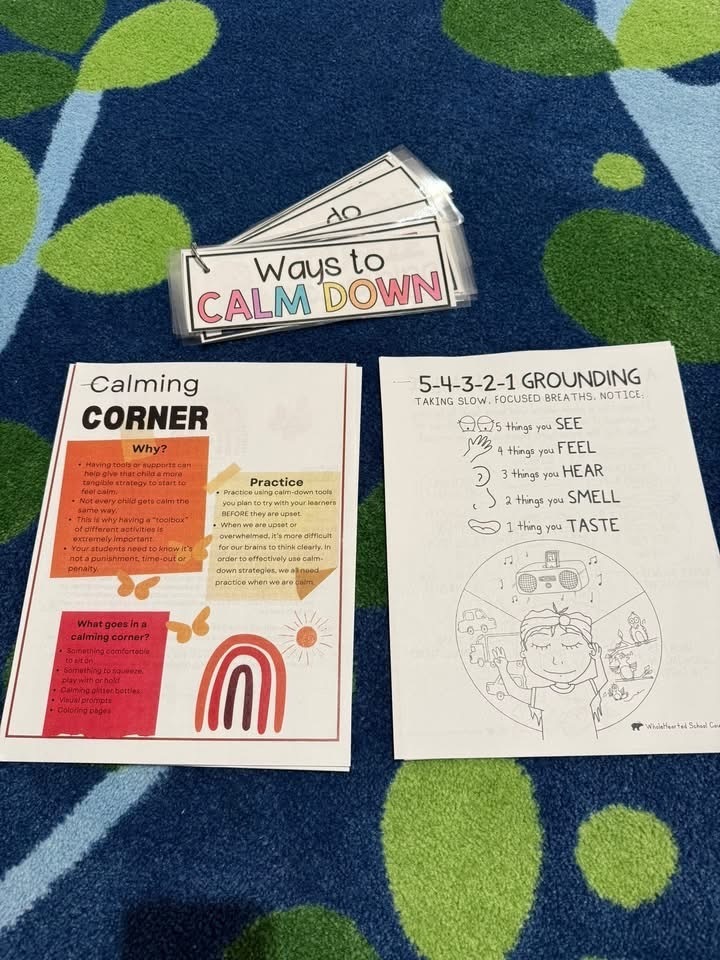
- Introduce Coping Strategies: “When you feel angry like this, what helps you feel calm again?”
- Empathy Building: “How do you think this person feels? What could we do to help them if they felt this way?”
- After-Activity Reflection: After a particularly exciting or challenging activity, use a coloring page to reflect on the emotions experienced. “How did you feel when you finally solved that math problem?”
- Story Time Connection: After reading a book, pick a character and color a page based on how that character might have felt at a key moment in the story. This builds emotional awareness and empathy.
- “Feeling of the Week” Theme: Focus on one emotion each week, using various coloring pages, discussions, and related activities to explore it deeply.
- Emotion Charades: Use the completed coloring pages as prompts for a game of emotion charades. This is a fun way for kids to physically express feelings and practice recognizing them in others.
- Feeling Faces Mirror Play: Encourage your child to make the faces of the emotions they colored in front of a mirror. This helps them connect the physical sensations and expressions with the internal feeling.
- Storytelling with Feelings: Create simple stories using the colored emotion faces as characters. How does a happy character interact with a sad character? What happens when an angry character needs help?
- Real-World Application: Point out emotions in everyday life. “Look, that dog seems really excited! See how his tail is wagging?” or “I see that your friend looks a little frustrated with that puzzle. Maybe we could help him recognize emotions and offer support.”
- A child happily coloring a “happy face” coloring page with bright crayons. Alt text: “Child coloring a happy face, learning to recognize and express feelings through art.”
- Various “feelings coloring page and printables” spread out on a table with crayons and markers. Alt text: “Collection of feelings coloring pages and printables for emotional intelligence development.”
- A parent and child discussing a completed “angry face” coloring page, pointing to different colors. Alt text: “Parent and child discussing an angry face coloring page, fostering emotional awareness.”
- Facebook/LinkedIn: “Unlock your child’s emotional intelligence with the simple power of coloring! Discover how feelings coloring pages can help kids recognize and express emotions, building a strong foundation for lifelong well-being. #EmotionalIntelligence #KidsSEL #MindfulnessForKids”
- Twitter: “Teach kids to recognize & express feelings with coloring! 🎨 Our latest article explores how feelings coloring pages boost emotional intelligence & mindfulness. #KidsEmotions #SEL #ParentingTips”
- Pinterest: “Nurturing Emotional Intelligence in Kids: Use Feelings Coloring Pages to Help Children Recognize & Express Feelings. Perfect for Homeschool SEL Curriculum & Calm Learning Activities. #EmotionalAwareness #ColoringForKids #SELActivities #Parenting”
Guiding Conversations During Coloring
The real magic happens during the conversation. While your child is coloring, use open-ended questions and reflective statements to help them recognize emotions and express feelings:
By engaging in these discussions, you’re not just helping them color; you’re building their emotional vocabulary and teaching them healthy ways to process and communicate their inner world.
Integrating Coloring into Your Homeschool SEL Curriculum
For families engaged in homeschooling, feelings coloring page and printables are a natural fit for an homeschool SEL curriculum. They offer a tangible, engaging way to address emotional literacy regularly.
Daily Rituals for Emotional Check-ins
* Morning Mood Check: Start the day by choosing a feeling page that represents how your child is feeling. Color it together and discuss why they chose that emotion.
By making emotional check-ins a consistent part of your routine, you normalize discussing feelings and reinforce the idea that emotional health is just as important as academic learning. For more ideas on structured emotional learning, explore resources on developing a holistic homeschool plan that integrates SEL.
Beyond the Page: Extending Emotional Learning
While coloring pages are a fantastic starting point, the learning doesn’t have to stop there. Extend the emotional exploration into other aspects of your child’s life:
These extensions help children bridge the gap between abstract concepts on a page and concrete experiences in their world, solidifying their ability to recognize and express feelings effectively.
Foster Emotional Growth with Our Free Emotional Intelligence Resources
Nurturing emotional intelligence in children is one of the most valuable gifts we can give them. Through the simple, engaging act of coloring, we provide a safe, creative outlet for them to explore, understand, and articulate their inner world. This foundational work empowers them to navigate social situations, build resilience, and develop into compassionate, well-adjusted individuals. By integrating feelings coloring page and printables into your daily routine, whether in a formal homeschool SEL curriculum or as spontaneous calm learning activities, you are actively cultivating emotional awareness and mindfulness for kids. Remember, every stroke of a crayon, every color chosen, and every gentle conversation builds another layer of emotional strength.
Ready to empower your child with the gift of emotional intelligence? Start today! We believe in making emotional learning accessible and fun.
Foster emotional growth with our free emotional intelligence resources!
Download Your Free Feelings Coloring Pages Now!
*
Suggested Image Alt Text:
Social Sharing Optimization:


0 Comments