
Nurturing Emotional Intelligence: How Feelings Coloring Pages & Printables Teach Kids to Recognize and Express Emotions
Parenting and educating young children often feel like a beautiful dance between guiding and allowing them to explore. One of the most crucial skills we can impart, yet often the most challenging, is emotional intelligence. Imagine a child who can confidently say, "I feel frustrated because my tower keeps falling," instead of dissolving into tears or lashing out. This isn't just wishful thinking; it's the power of developed emotional awareness. Many children struggle to identify what they're feeling, let alone express it in a healthy way. This can lead to tantrums, misunderstandings, and difficulties in forming friendships.But what if there was a simple, engaging, and incredibly effective tool hiding in plain sight? Enter the humble coloring page. Far from just a fun pastime, feelings coloring page and printables offer a gentle yet profound pathway to helping children recognize emotions and express feelings. In this article, we’ll explore how this calm and creative activity can become a cornerstone of your child’s emotional development, fostering a deeper understanding of themselves and the world around them. We'll dive into practical strategies for using coloring to build robust emotional intelligence, making it an invaluable part of any homeschool SEL curriculum or classroom routine.

Why Emotional Intelligence Matters for Young Children
Emotional intelligence (EQ) isn't just a buzzword; it's a fundamental life skill. For young children, developing strong EQ means they are better equipped to navigate the complexities of their social world, manage their own behaviors, and build resilience. Children with higher emotional intelligence tend to have stronger friendships, perform better academically, and are more adaptable when facing challenges. They learn to empathize with others, understand different perspectives, and resolve conflicts peacefully.Fostering emotional awareness from an early age lays the groundwork for mental well-being and success throughout life. It empowers children to understand their internal world, leading to greater self-regulation and a sense of personal agency. This isn't about suppressing emotions, but rather understanding them, accepting them, and learning healthy ways to respond.
The Building Blocks of Emotional Awareness
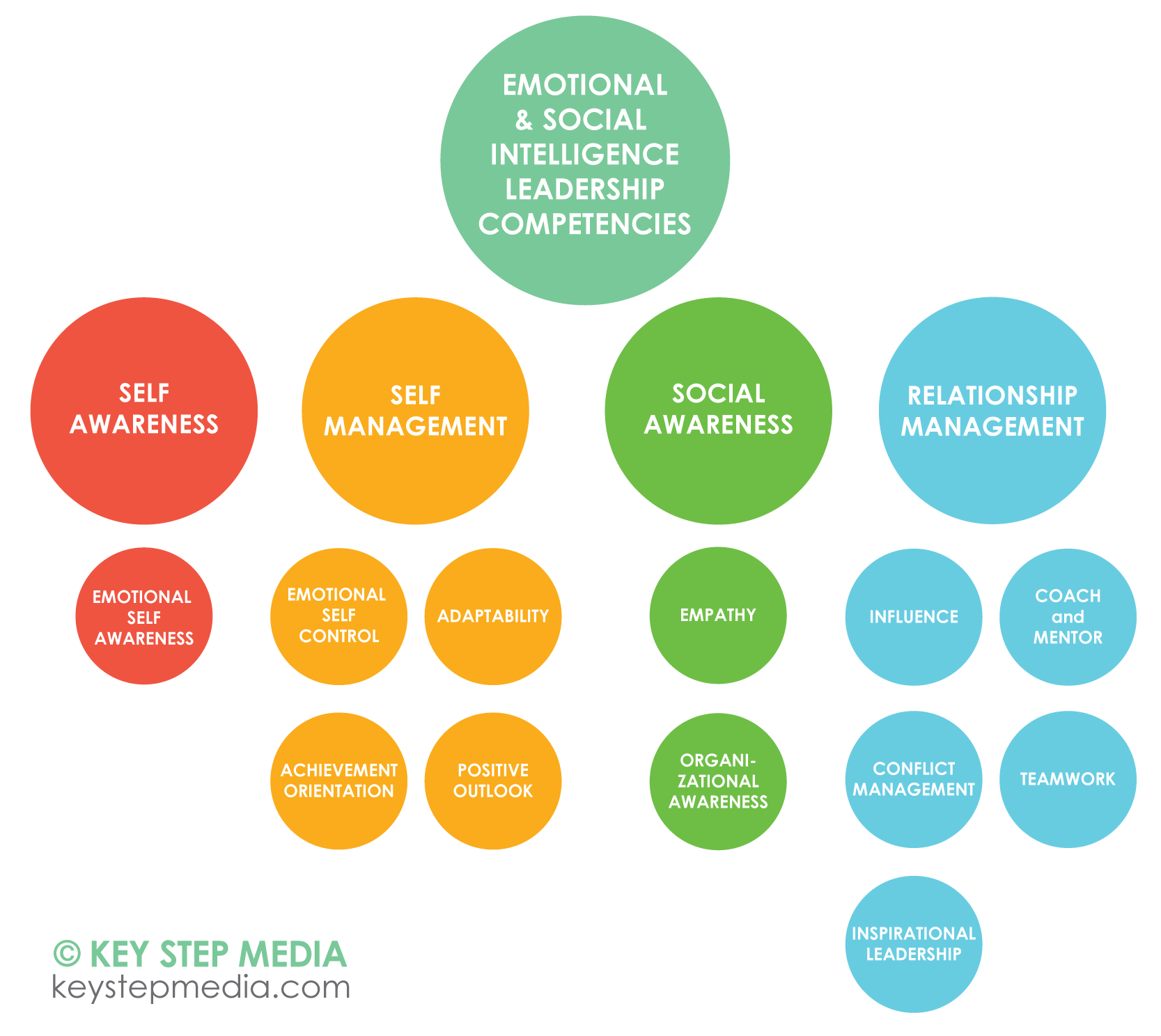
At its core, emotional awareness is the ability to identify and understand one's own emotions and the emotions of others. For young children, this starts with simple recognition: "Am I happy? Sad? Angry?" They learn by observing adults, experiencing different situations, and, crucially, by having their feelings named and validated. When a child is upset and a caregiver says, "I see you're feeling frustrated right now," it helps them connect the internal sensation to a specific word.The journey to recognize emotions involves several steps:
- Identifying physical sensations: "My tummy feels fluttery" (nervousness).
- Naming the emotion: "That fluttery feeling is called worry."
- Understanding triggers: "I feel worried when I have to meet new people."
- Connecting emotions to facial expressions and body language: "When someone's eyebrows are furrowed, they might be angry."
- Characters with distinct facial expressions: A happy child, a sad bear, an angry monster. Children can color these and discuss what makes the character feel that way.
- Scenario-based images: A child sharing a toy (happy), a child falling down (sad/hurt), children arguing (angry/frustrated). These pages prompt discussions about the emotions involved in different social situations.
- "Feeling faces" charts: Pages dedicated to illustrating various emotions, allowing children to match the face to the feeling word.
- Color Association: Encourage children to associate colors with feelings. "What color feels like anger to you?" (Often red or black.) "What color feels like calm?" (Often blue or green.) Abstract Representation: Instead of just coloring within lines, invite them to draw how a feeling looks* to them. If they're feeling worried, they might draw squiggly lines or dark, overlapping shapes. If they're excited, they might use bright, swirling colors.
- "Feeling Monsters" or "Feeling Bubbles": Provide a blank outline of a monster or a bubble and ask them to color it with the colors that represent how they feel right now. This externalizes the feeling, making it less overwhelming.
- Dedicated "Calm Down" Corner: Create a cozy space with a basket of coloring pages, crayons, and markers. When emotions run high, suggest a visit to the calm down corner with a feeling coloring page. This provides a constructive outlet for big emotions.
- Morning Check-in: Start the day by choosing a coloring page that reflects how your child is feeling, or simply have them pick colors to represent their mood. This sets a positive tone for emotional awareness.
- Story Time Connection: After reading a book, find a coloring page that relates to an emotion experienced by a character. Discuss how the character might have felt and why.
- Homeschool SEL Curriculum Integration: For those homeschooling, these printables are a perfect fit for a structured Social-Emotional Learning (SEL) segment. Dedicate 15-20 minutes a few times a week to discuss emotions using coloring as a springboard. This helps build a robust homeschool SEL curriculum.
- Validate Feelings: Instead of saying "Don't be sad," try "I see you're feeling sad, and it's okay to feel that way." Validation is key to helping children trust their emotions.
- Active Listening: When your child is talking about their feelings, give them your full attention. Reflect what you hear: "So, it sounds like you're feeling a bit frustrated because your friend didn't want to play your game." [Internal Link Suggestion: Discover more about effective active listening strategies for parents here.]
- Model Emotional Expression: Talk about your own feelings in age-appropriate ways. "I'm feeling a little overwhelmed right now, so I'm going to take a few deep breaths." This teaches children healthy coping mechanisms.
- Empathy Building: Use coloring pages to discuss how others might feel. "Look at this character's face. How do you think they're feeling? Why might they feel that way?"
- Feeling Games: Play charades with emotions, use emotion cards, or create a "feeling thermometer" to gauge intensity.
- Storybooks: Many children's books beautifully illustrate and discuss emotions. Read them together and pause to talk about how characters are feeling.
- Role-Playing: Act out different social scenarios to practice expressing feelings and finding solutions.
- Mindfulness Exercises: Beyond coloring, introduce simple breathing exercises, gratitude practices, or guided meditations designed for kids to enhance mindfulness for kids.
- Structured Learning: Dedicated time for emotional development, just like academic subjects.
- Customization: The ability to choose specific feelings coloring page and printables that address a child's current emotional needs or developmental stage.
- Flexibility: Easily adaptable to individual learning paces and styles.
- Holistic Development: Ensuring that emotional growth is prioritized alongside intellectual growth, leading to a well-rounded and resilient learner.
These building blocks are essential for developing empathy and strong social skills, making early emotional education incredibly impactful.

Coloring: A Calm and Creative Pathway to Emotional Expression
In a world filled with screens and overstimulation, finding calm learning activities for children is more important than ever. Coloring offers a unique blend of creativity, focus, and quiet reflection, making it an ideal tool for emotional learning. When a child sits down with a feelings coloring page and printables, they enter a low-pressure environment where judgment is absent, and self-expression is encouraged.This seemingly simple activity engages children in a mindful way. The repetitive motion of coloring, the focus on lines and shapes, and the choice of colors can all contribute to a state of mindfulness for kids. It helps children slow down, concentrate, and connect with their inner world, paving the way for deeper emotional exploration. It's a gentle invitation to explore feelings without the pressure of having to articulate them perfectly right away.

How Coloring Pages Facilitate Emotional Recognition
Feelings coloring page and printables are specifically designed to introduce and reinforce emotional vocabulary. These pages often feature:When a child colors a picture of a "happy" face, you can ask them: "What does happy feel like in your body? What makes you feel happy? What color makes you think of happiness?" These guided conversations, prompted by the visual cues on the page, significantly help children to recognize emotions in themselves and others. It transforms a passive activity into an active learning experience.

Expressing Feelings Through Color and Form
Beyond recognizing emotions, coloring provides a safe outlet for children to express feelings. For many young children, words are insufficient to convey the intensity of their inner experiences. Colors, however, can speak volumes.This process validates their emotional experience, showing them that all feelings are okay to have and that there are many ways to communicate them. It builds confidence in their ability to articulate their inner world, even before they have the extensive vocabulary to do so.
Integrating Feelings Coloring Pages into Your Routine
Making emotional learning a consistent part of your child's day doesn't have to be complicated. Integrating feelings coloring page and printables can be seamless and enjoyable.Creating a Supportive Environment for Emotional Growth
The effectiveness of calm learning activities like coloring is amplified within a supportive environment. Here are some ways to enhance your child's emotional growth:Beyond Coloring: Expanding Emotional Intelligence Activities
While feelings coloring page and printables are a fantastic starting point, a holistic approach to emotional awareness involves a variety of activities.These complementary activities reinforce the lessons learned through coloring, helping children apply their emotional knowledge in diverse contexts.
The Role of Homeschool SEL Curriculum
For parents engaged in homeschooling, integrating a robust homeschool SEL curriculum is paramount. Coloring activities fit perfectly into this framework by offering:Frequently Asked Questions about Teaching Emotions to Kids
At what age can children start learning about emotions?
Children begin to experience and express basic emotions (like joy, anger, sadness) from infancy. Formal learning about identifying and naming emotions can start as early as 18 months to 2 years, with simple picture books and discussions. By ages 3-5, they can actively engage with feelings coloring page and printables and understand more complex emotional concepts.How do I handle strong emotions like anger or frustration?
The key is validation and teaching healthy coping strategies. First, acknowledge and name the emotion ("I see you're really angry right now"). Then, offer a safe space and a constructive outlet. This could be coloring an "angry" picture, taking deep breaths, punching a pillow, or talking about it. Avoid shaming or dismissing their feelings. For further reading on child emotional development, consider resources from reputable organizations like the American Academy of Pediatrics. [External Link Suggestion: American Academy of Pediatrics website, opens in new window]Are there specific types of coloring pages that are best for emotional learning?
Look for feelings coloring page and printables that feature clear facial expressions, diverse characters, and simple scenarios that depict various emotions. Pages that encourage children to draw their own feelings or associate colors with emotions are also highly effective. The best pages are those that spark conversation and allow for open-ended expression.A Colorful Path to Emotional Well-being
Nurturing emotional intelligence in children is one of the most profound gifts we can offer. It equips them with the tools to understand themselves, connect with others, and navigate life's challenges with grace and resilience. By incorporating simple, engaging activities like using feelings coloring page and printables, we provide a gentle yet powerful avenue for children to recognize emotions and express feelings in a healthy, constructive way. These calm learning activities are more than just fun; they are foundational to building strong emotional awareness and fostering mindfulness for kids, whether as part of a homeschool SEL curriculum or a daily family routine.Imagine the joy of watching your child articulate their feelings, knowing they have a safe and creative way to process their inner world. It's a journey worth embarking on, one colorful stroke at a time.
Foster emotional growth with our free emotional intelligence resources! Explore our collection of feelings coloring page and printables today and start your child's journey to emotional mastery.
--- Share this article with fellow parents and educators who are passionate about nurturing emotionally intelligent children!


0 Comments