
Unlock Creativity: Engaging Story-Starter Prompts and Coloring Pages for Young Writers
Does your child ever stare at a blank page, unsure where to begin their next grand adventure? For many young learners, the journey of writing can sometimes feel overwhelming, especially when the initial spark of an idea is missing. But what if we told you there’s a delightful way to ignite their creativity, combining the joy of art with the power of words? We’re talking about the magic of story-starter coloring page and printables – a fantastic tool for homeschool language arts that transforms hesitation into boundless writing inspiration.
In the world of elementary homeschooling, fostering a love for reading and writing is paramount. It’s not just about grammar and spelling; it’s about nurturing a child’s inner storyteller, building their confidence, and expanding their imagination. This comprehensive guide will explore how these unique printable prompts can unlock a universe of creative storytelling for your young author. We’ll dive into the incredible benefits of blending visual art with narrative beginnings, offer practical tips for using these resources effectively, and show you how to make writing an exciting, engaging part of your daily homeschool routine. Get ready to watch your child’s writing skills flourish as they embark on imaginative journeys, one colorful stroke and one captivating sentence at a time!

Why Creative Storytelling is Essential for Young Minds
Creative storytelling is far more than just a fun pastime; it’s a fundamental building block for a child’s holistic development. When children engage in creating their own narratives, they tap into a wellspring of cognitive, emotional, and linguistic benefits that will serve them well throughout their lives. It’s a core component of effective homeschool language arts.

Boosting Imagination and Critical Thinking
Think about the sheer power of a child’s imagination. It’s a limitless realm where anything is possible. Creative storytelling provides a safe and exciting space for children to explore this realm. As they invent characters, settings, and plots, they’re not just dreaming; they’re actively engaging in problem-solving and critical thinking. They learn to connect ideas, anticipate outcomes, and construct logical (or delightfully illogical) sequences of events. This process strengthens their ability to visualize, innovate, and think outside the box – skills vital for success in every area of life.
Enhancing Writing Skills and Language Development
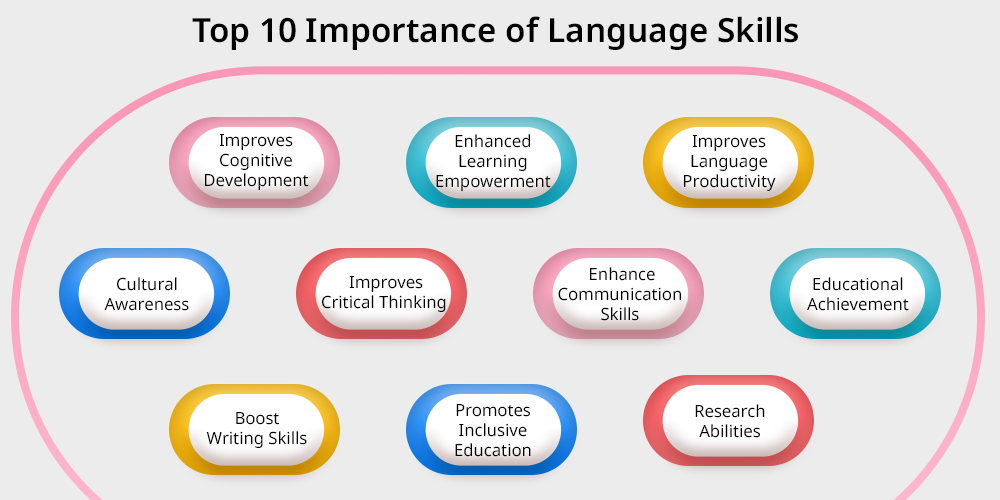
The act of turning an idea into a written story directly enhances a child’s writing skills. It’s a practical application of all those grammar rules and vocabulary words they’re learning. Through storytelling, children naturally improve their sentence structure, learn to organize thoughts coherently, and expand their vocabulary. They experiment with descriptive language, dialogue, and narrative flow. This hands-on experience makes abstract language concepts concrete and meaningful, transforming rote learning into an exciting creative endeavor.

Making Homeschool Language Arts Fun and Engaging
Let’s be honest: sometimes, traditional language arts lessons can feel a bit dry. Creative storytelling, especially when combined with engaging tools like a story-starter coloring page and printables, injects a huge dose of fun and excitement into the learning process. When writing becomes an adventure rather than a chore, children are more motivated to participate, more eager to learn, and more likely to develop a lifelong love for language. It’s about making learning joyful and intrinsically rewarding.
The Magic of Story-Starter Coloring Page and Printables
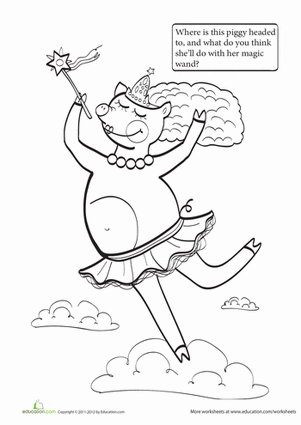
Imagine a page that invites your child to color a whimsical creature, a mysterious castle, or a futuristic city. Then, right there on the same page, a simple question or a half-finished sentence sparks an idea: “What secret does this creature guard?” or “One sunny morning, the castle gates swung open to reveal…” This is the magic of story-starter coloring page and printables.
These unique educational resources are designed to gently nudge young writers past the initial hurdle of a blank page. They provide a visual anchor – an image to color and personalize – alongside a textual prompt that sets the stage for a story. This dual approach is incredibly effective. The coloring activity engages the artistic side of the brain, reduces pressure, and warms up their creative muscles. Once they’ve connected with the image through color, the accompanying prompt feels less daunting and more like an exciting invitation to continue the adventure.
The benefits are numerous:
- Low-pressure start: No intimidating blank page, just a fun activity.
- Visual aid: Helps children visualize characters, settings, or objects, making it easier to build a narrative around them.
- Combines art and writing: Caters to different learning styles and makes the activity more enjoyable.
- Boosts confidence: Provides a clear starting point, ensuring success from the very first sentence.
- Set the Scene: Create a comfortable, inspiring writing nook. Make sure they have a variety of colorful pens, crayons, or markers. A cozy blanket or a favorite stuffed animal can also make the space more inviting.
- Choose a Prompt Together: Let your child browse through a selection of printable prompts. Giving them a choice empowers them and ensures they start with a topic that genuinely excites them.
- Color First: Encourage them to spend time coloring the image. This isn’t just a warm-up; it’s an opportunity for them to personalize the visual, adding details and colors that reflect their own imagination. Ask questions like, “What color is this dragon’s scales?” or “What kind of flowers grow in this magical garden?”
- Read the Prompt Aloud: Once the coloring is complete, read the story starter together. Discuss the prompt. What ideas does it spark? Who might be in the picture? What sounds might they hear?
- Brainstorm (Optional): If your child is still hesitant, offer a few gentle guiding questions. “What happens next?” “Who else might they meet?” “What problem do they need to solve?” Remember, the goal is to inspire, not to dictate.
- Let Them Write (or Dictate): Encourage your child to start writing. For younger children, or those still developing their handwriting skills, allow them to dictate their story to you. You can write it down, and they can illustrate it later.
- Emphasize Fun Over Perfection: The primary goal is to foster a love for creative storytelling and boost their writing skills. Don’t worry too much about spelling or grammar in the initial draft. Focus on the flow of their ideas and their enthusiasm. You can always refine and edit later.
- Embrace Mistakes as Learning Opportunities: Remind your child that every great author makes mistakes. Erasers are there for a reason! Frame errors not as failures, but as chances to learn and refine. This mindset reduces pressure and encourages experimentation.
- Break It Down: If a story feels too big, suggest breaking it into smaller chunks. Focus on just one sentence, one paragraph, or one scene at a time. Sometimes, just getting a few words down is enough to get the momentum going.
- Change the Scenery: A change of environment can sometimes spark new ideas. Try writing in a different room, outdoors, or even at a local library. New surroundings can offer fresh perspectives and shake loose a stubborn writing block.
- Read for Inspiration: Sometimes, the best way to get inspired is to read. Pick up a favorite book or explore a new genre. Reading exposes children to different writing styles, vocabulary, and plot structures, naturally fueling their own creative storytelling.
- Start with their interests: Find printable prompts related to topics they love (dinosaurs, space, princesses, superheroes).
- Focus on the art: Let them spend most of the time coloring and just dictate a few sentences.
- Collaborate: Write the story together, taking turns.
- Make it a game: Turn it into a silly challenge or a “story race.”
- Praise effort, not just outcome: Celebrate their attempts and their imagination, no matter how short the story.
- Main Image: A happy elementary school child coloring a whimsical creature on a story-starter page, with colorful pens scattered around and a notebook ready for writing.
- Section Image 1 (Creative Storytelling): A group of diverse children animatedly sharing stories with each other, surrounded by colorful drawings.
- Section Image 2 (Printable Prompts): Close-up of a child’s hand coloring a detailed spaceship on a story-starter page, with a few lines of a prompt visible below.
- Facebook/LinkedIn: “Unlock your child’s inner author! Our engaging story-starter coloring pages make #HomeschoolLanguageArts fun and boost #CreativeStorytelling. Perfect for sparking #WritingInspiration! Download free prompts here: [Article Link]”
- Twitter: “Struggling with #WritingSkills in your #Homeschool? Our free story-starter coloring pages are a game-changer for young writers! Ignite their #Imagination & download #PrintablePrompts today! [Article Link]”
- Pinterest: (Image of a child coloring a story-starter page with a notebook) “Unlock Creativity for Kids: Story-Starter Coloring Pages & Printables for Young Writers | Homeschool Language Arts | Free Writing Prompts | Creative Storytelling”
These printable prompts are invaluable for sparking genuine writing inspiration and making creative storytelling accessible to every child. They are a treasure trove for homeschool language arts curricula, providing an endless supply of fresh ideas.
Internal Link Suggestion: Explore Our Full Collection of Homeschool Language Arts Resources for More Creative Learning!
How to Use Printable Prompts for Maximum Writing Inspiration
Incorporating story-starter coloring page and printables into your homeschool routine is simple and incredibly rewarding. Here’s a step-by-step guide to help your child get the most out of these engaging tools.
Example Prompt Idea: Imagine a coloring page depicting a friendly robot holding a picnic basket. The prompt could be: “One sunny afternoon, a curious robot arrived at the park with a special picnic. What (or who) was inside the basket, and what adventure began?”
Creative Storytelling Activities Beyond the Page
While story-starter coloring page and printables are fantastic for getting ideas flowing, expanding on these foundational activities can further enhance your child’s writing inspiration and overall creative storytelling abilities.
Oral Storytelling and Dramatic Play
Don’t limit storytelling to just writing! Encourage your child to tell their stories aloud. This can be done with puppets, action figures, or even just by acting out the narrative themselves. Oral storytelling helps children develop their sequencing skills, practice expressive language, and build confidence in sharing their ideas. It’s a wonderful way to bring their characters and plots to life before they even put pen to paper.
Collaborative Story Building
Sometimes, a little teamwork can go a long way. Sit down with your child and create a story together. One person starts a sentence, and the other adds the next. This collaborative approach can reduce pressure, introduce new ideas, and show children how stories are constructed piece by piece. You can even take turns drawing elements of the story as you go, further blending art and narrative.
Sharing and Feedback (Positive Reinforcement)
Once a story is complete, whether written or told, celebrate it! Encourage your child to share their creation with family members. When offering feedback, always start with praise. Focus on what you loved about their story – a clever character, a surprising twist, or a vivid description. Gentle suggestions for improvement can come later, but the initial focus should always be on positive reinforcement to nurture their writing skills and keep their imagination soaring.
Overcoming Writing Blocks: Tips for Young Authors
Even with the best story-starter coloring page and printables, young writers might occasionally hit a creative wall. It’s completely normal! Here are some friendly tips to help them navigate those moments and rekindle their writing inspiration.
External Link Suggestion: Learn More About the Cognitive Benefits of Creative Play and Storytelling for Children
Frequently Asked Questions (FAQ) about Creative Writing for Kids
Q: At what age can children start using story starters?
A: Children can begin engaging with story-starter coloring page and printables as soon as they show interest in drawing and pre-writing activities, typically around ages 4-5. For younger children, focus on oral storytelling based on the image and dictating their ideas. Older elementary children (6-10+) can use them independently to develop their writing skills.
Q: How often should we do creative writing activities?
A: Consistency is key, but so is variety. Aim for 2-3 dedicated creative writing sessions per week, but also look for organic opportunities. A short 15-20 minute session can be incredibly effective. The goal is to make it a regular, enjoyable part of your homeschool language arts routine, not a dreaded task.
Q: What if my child doesn’t like to write?
A: If your child is resistant, try these strategies:
Ignite Their Inner Author Today!
Nurturing a child’s imagination and developing their writing skills is one of the most rewarding aspects of homeschooling. With story-starter coloring page and printables, you have a powerful, engaging, and incredibly fun tool at your fingertips to transform writing from a challenge into an adventure. These resources not only spark writing inspiration but also build confidence, enhance language development, and make homeschool language arts truly shine.
Remember, every great story begins with a single idea, and sometimes, that idea just needs a little visual nudge and a splash of color to come to life. Encourage your young writers to dream big, explore new worlds, and express themselves freely. The stories they create today are building blocks for a lifetime of creativity and learning.
—
Spark your child’s imagination with our free writing prompts today!
Internal Link Suggestion: Download Your Free Story-Starter Coloring Pages and Printables Now!
—
Image Alt Text Suggestions:
Social Sharing Optimization:


0 Comments